






























Conservation and Tribal Welfare
Conserving the present Preserving the future
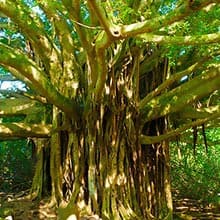
TAFE, in association with the United Nilgiris Conservation Society (UNCS), aims to develop and sustain an integrated human development model for the conservation of natural resources in the ecologically sensitive, yet tremendously bio-diverse regions of Eastern and Western Ghats of India.
United Nilgiris Conservation Society
The United Nilgiris Conservation Society (UNCS) created in 2013 to address issues relating to the conservation and development of villages in the Nilgiri district in Tamil Nadu, is a perfect example of the multiplier effect that can be attained through a harmonious government-private partnership. The TAFE-UNCS partnership aims to develop and sustain 1000 eco-villages by 2020 by working both, directly and alongside government agencies and village communities.
A few highlights of the project include, safeguarding the rights of the local tribal communities and creating a successful facilitation of individual lands under Forest Rights Act. As an ongoing exercise, employment opportunities are created for unemployed youth through career guidance, skill training and job placements.
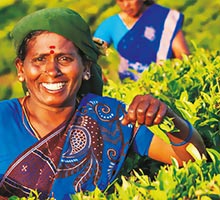
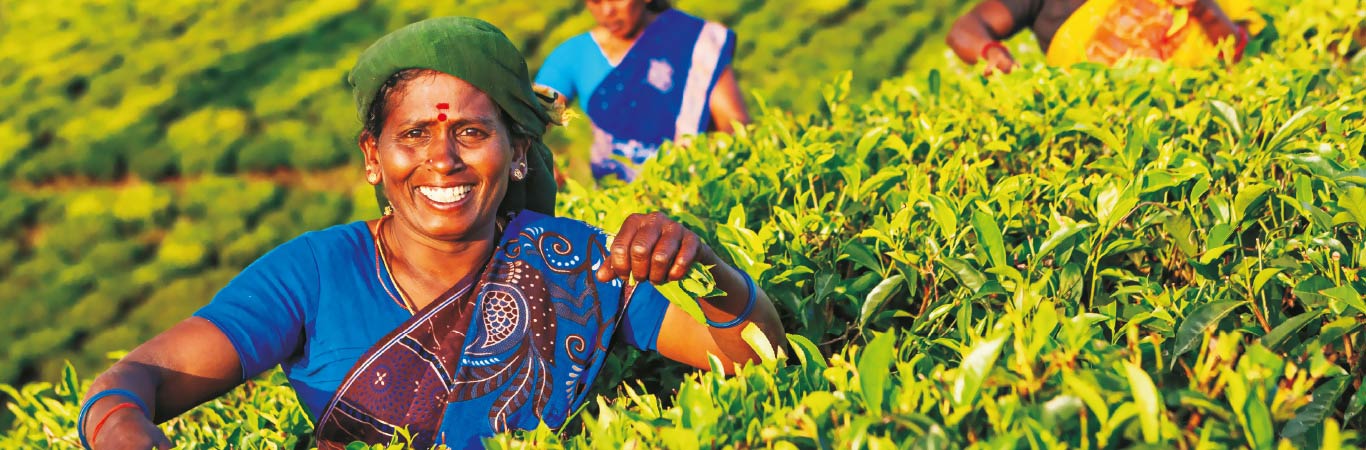
Women in particular are trained in beekeeping, tailoring, poultry farming, vermicomposting, mushroom cultivation, eco-tourism, pepper crushing and coffee de-pulping. In addition to training in production, they are also taught marketing strategies to promote the sale of minor forest produce like honey, soap nut, and home utility products like candles, areca nut plates, painkiller balms and oils, pickles, basket and brooms.
With women earning their livelihood from individual or group income generating projects and with financial support from banks, they actively participate in decisive roles in community affairs and in development programmes. The quality of education for the children in these under-developed communities has also been vastly improved through introduction of digital technology and e-learning.
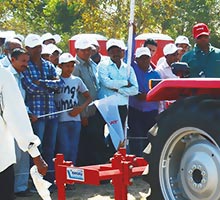
Those who prefer a life of farming and cultivation are distributed free seedlings and educated on improved livestock management practices, pest control, organic farming and improved agricultural practices for greater profits. They are also made aware of government schemes, benefits and procedures, while being encouraged to apply for these schemes.
With TAFE's active support, UNCS develops infrastructure for villages that would otherwise remain inaccessible and under-developed. UNCS enables the leveraging of government funding available through a variety of programmes to construct roads and provide enhancement to the educational and medical care infrastructure available in the villages.
Through these initiatives, a better quality of life has been achieved by way of group houses and toilets, water tanks and pipelines. Solar fencing has helped protect the villagers and their fields from destruction through man-animal conflicts.
Through sustained effort and inclusion of local communities in identifying needs and by marrying such needs with government programmes, UNCS acts as the bridge between policy makers and local communities, aiming at long-term solutions that are modern yet cost effective, working towards conserving, preserving and passing down the gift of natural resources and self-sustaining community for generations to come.

 TAFE TRIBE
