








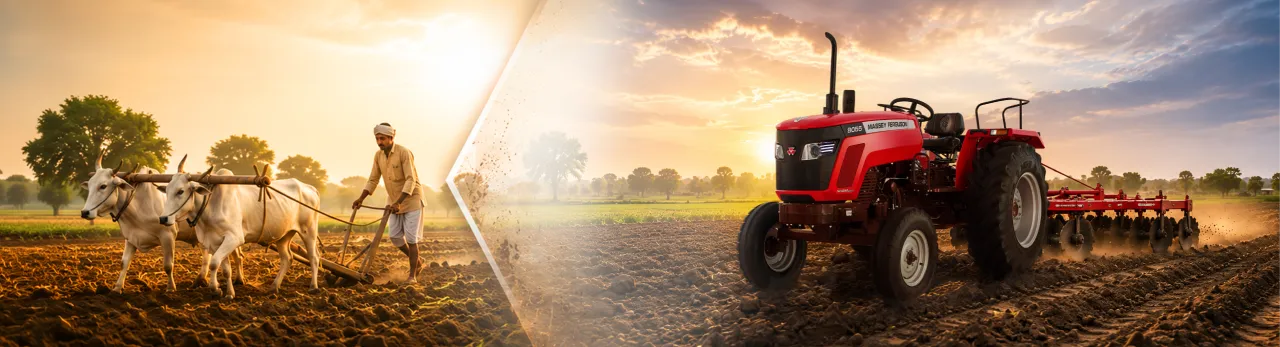
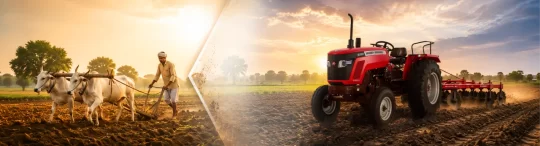
India’s farming is changing, not just in how it looks, but in how it works. The difference between traditional and modern farming mainly comes down to tools, time, labour, and technology. Traditional methods still play a role, but modern mechanised farming is helping farmers grow more, spend less time in the field, and earn better. In this article, we’ll look at how the shift is happening, why it matters, and. what TAFE is doing to achieve its vision of being the first choice among the farming community of India.
Table of contents
- What is traditional farming in India?
- What is modern farming in India?
- The real difference between traditional and modern farming
- How mechanisation is changing Indian agriculture
- The role of TAFE’s tractors in modern farming
- Impact on productivity, labour, and income
- Sustainability and the future of Indian farming
- FAQs: Traditional vs modern farming
What is traditional farming in India?
For generations, traditional farming in India has meant ploughing with the same tools, bullocks, or basic hand equipment. It’s a way of life that’s been passed down, not just learned from a manual. The focus has always been on “what the land gives us” rather than on precise control or planning. In traditional farming, decisions are often based on experience, local customs, and seasonal patterns rather than data. Fertilizers and pesticides are used, but usually in a broad, unmeasured way. Irrigation depends heavily on rain, wells, and ponds, which makes the whole process risky, especially in dry years. The difference between traditional and modern farming becomes clear when you compare these small, hand‑managed farms with the structured, technology‑driven plots you see today.
What is modern farming in India?
Modern farming in India uses science, machines, and smart planning to make every bit of land and each drop of water work harder. Instead of relying only on physical strength and instinct, farmers now use improved seeds, calibrated fertilizers, drip irrigation, CCTV-style monitoring systems, and mobile‑based advice. Tractors, harvesters, planters, and seeders change the way the soil is prepared, planted, and harvested. In modern farming, the word “efficiency” takes center stage. Farmers can cover more land in less time, control inputs better, reduce wastage, and respond faster to weather changes. The difference between traditional and modern farming is no longer just about tools; it’s about how decisions are made, how risk is managed, and how the farmer’s income is protected.
The Real Difference Between Traditional and Modern Farming
The difference between traditional and modern farming can be grouped into four key areas: tools and technology, labour, decision-making, and sustainability.
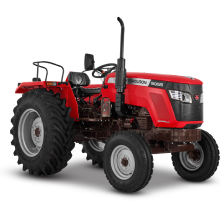
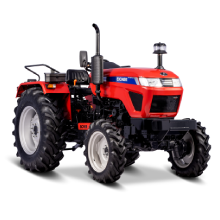
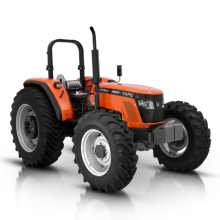
- Tools and technology: Traditional farming relies on simple hand tools, bullocks, and basic equipment. Modern farming uses tractors, power tillers, harvesters, and smart technologies to monitor soil health, moisture levels, and crop performance. TAFE supports this transformation by offering tractors suited to farms of all sizes, including small and medium holdings—not just large commercial farms.
- Labour and work hours: Traditional farming is labour-intensive, requiring considerable manual effort for sowing, weeding, and harvesting. Modern farming reduces dependence on manual labour through mechanisation, helping farmers save time and address labour shortages as more rural workers move away from agriculture.
- Decision-making: Traditional farming decisions are typically based on experience, local knowledge, elders’ advice, and observation. Modern farming relies on soil testing, weather forecasts, and market insights to help farmers choose the right seeds, optimise planting schedules, and maximise returns.
- Sustainability and efficiency: Traditional farming is generally low-cost but often less efficient and more vulnerable to risks. Modern farming requires greater investment but focuses on improving resource efficiency, reducing waste, and supporting long-term soil health when managed responsibly.
How mechanization is changing Indian agriculture
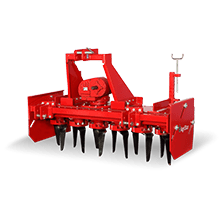
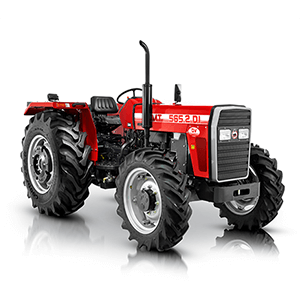
Mechanization is not just about replacing bullocks with tractors. It’s about making the entire farming cycle smoother, faster, and more predictable. A tractor by TAFE, for example, can plough, level, sow, and even help with harvesting when paired with the right implement. This is a huge shift from traditional methods, where the same tasks might take several days or even weeks with manual labour. Farmers using mechanized tools report that they can plant earlier, complete operations on time, and avoid delays due to labour shortages. Timely operations matter a lot in India, where the window between seasons is narrow. Machines also help in better seed‑bed preparation, which improves germination and crop uniformity. Beyond tractors, modern tools like seed drills, rotavators, and power sprayers are reducing the need for multiple hands. This is a big shift when you remember how the difference between traditional and modern farming lies in how labour is used.
The role of TAFE’s tractors in modern farming
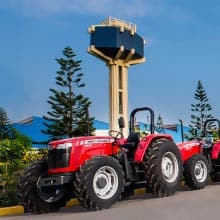
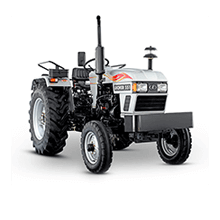
TAFE understands the size, needs, and financial realities of farmers. The company designs tractors that are powerful enough for modern requirements but simple enough for small‑ and medium‑sized farms to operate and maintain. TAFE’s machines are versatile, built for all terrains across the globe from small orchard tractors to heavy-duty tractors. Attachments like harrows, planters, and seeders make single‑vehicle operations possible. For example, a farmer can use a TAFE’s tractor to plough the land, prepare a seed‑bed, and plant crops in one go, which would once have taken many days of manual work. By offering robust, long‑lasting tractors along with support networks, TAFE is helping farmers close the difference between traditional and modern farming in a practical, affordable way.
Impact on productivity, labour, and income
Mechanized farming directly boosts productivity. A farmer who once struggled to cover 2–3 acres in a season can now manage 5–6 acres or more using a TAFE tractor and suitable implements. Higher land use, better sowing, and timely operations lead to healthier crops and better yields. Labour dependency also changes. Family members and hired workers no longer need to bend over fields for hours to do tasks that machines can handle. Over time, mechanization can reduce the cost of cultivation per acre, even after accounting for fuel and maintenance. When production increases and costs decrease, the farmer’s income improves. This is where the shift in the difference between traditional and modern farming starts to show real financial benefits.
Sustainability and the future of Indian farming
Modern farming is not just about increased output; it’s also about working within the limits of the land and water. TAFE is now focusing on fuel‑efficient tractors, low‑impact equipment, and compatible technologies that reduce soil compaction and water use. When farmers combine mechanization with better seed varieties, crop rotation, and organic inputs, the difference between traditional and modern farming becomes a positive one. The future of Indian farming is likely to be a mix of cultural practice and smart technology, with brands like TAFE acting as partners rather than just product sellers.






































 TAFE TRIBE
